
 Available in US
Football Betting Tips & Complete Strategy Guide
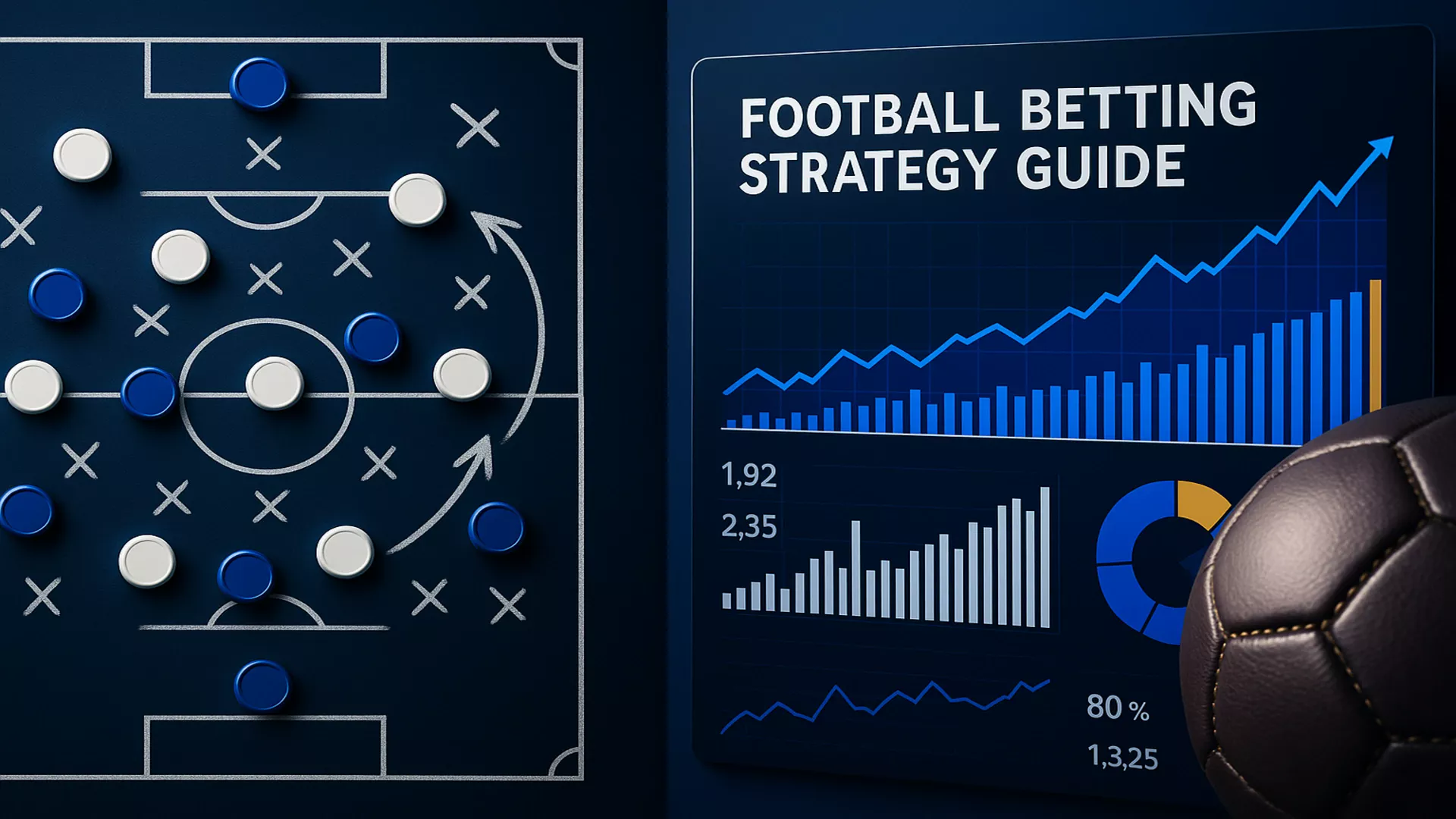
Football remains the most heavily bet sport globally, with billions wagered weekly across leagues from the English Premier League to obscure third-division matches in Eastern Europe. This massive betting volume creates both opportunity and challenge. The opportunity comes from the sheer number of markets and matches available, which means plenty of potential value bets for those who know where to look. The challenge stems from that same popularity making football betting markets extremely efficient, with sophisticated bookmakers and professional syndicates ensuring that obvious mispricings get corrected within minutes.
Most recreational football bettors lose money consistently despite thinking they understand the sport. They watch matches every weekend, follow their favorite teams religiously, consume hours of punditry and analysis, yet their betting accounts steadily drain. The disconnect between football knowledge and betting success confuses casual bettors who assume that understanding the sport should translate to profitable wagering. It doesn’t work that way.
The gap between knowing football and winning at football betting comes down to several factors that this guide addresses systematically. First, emotional attachment to teams and players distorts objective analysis in ways bettors don’t recognize. Second, understanding what makes teams good at winning matches differs fundamentally from understanding what makes bets valuable relative to available odds. Third, the specific information that predicts match outcomes often isn’t the information that dominates mainstream football media and discussion.
This guide builds a complete framework for football betting that works in 2025’s efficient markets. Follow the beautiful game with professional betting guides. You’ll learn which statistics actually predict outcomes versus which just feel important. You’ll understand how to analyze different leagues with their distinct characteristics and betting opportunities. You’ll develop systematic approaches to major markets like match results, goal totals, and both teams to score. Most importantly, you’ll learn to think about football betting the way sharp bettors do rather than how casual fans approach the sport.
The strategies here assume you’re starting with solid fundamentals around bankroll management, understanding expected value, and maintaining betting discipline. If you’re still learning those basics, address them first before diving into football-specific approaches. These tactics amplify existing edge but won’t create profitability from nothing if your foundational betting approach is flawed.
Understanding Football Betting Markets
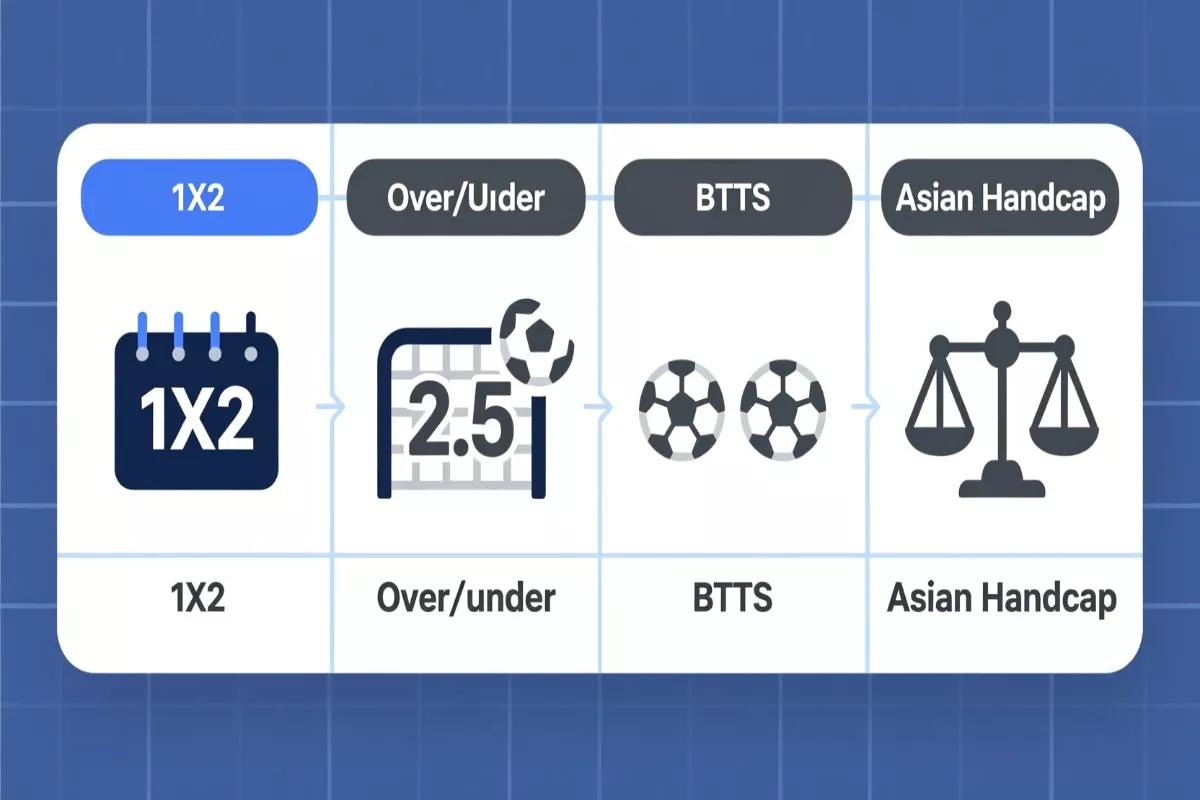
Football offers more betting markets than any other sport, ranging from simple match result wagers to exotic prop bets on corner kicks, cards, and individual player statistics. Understanding the characteristics of major markets helps you identify where your analytical strengths can find genuine edge.
The match result market, also known as 1X2 betting, represents the foundation of football wagering. You’re predicting whether the home team wins, the away team wins, or the match ends in a draw. This market receives the most betting volume, the most analytical attention from bookmakers, and the quickest odds adjustments based on team news and betting patterns. The efficiency makes finding value difficult but not impossible.
Match result betting rewards understanding of fundamental team quality, tactical matchups, and motivational factors. A strong team facing a weak opponent in a must-win situation offers different value than those same teams meeting in a meaningless end-of-season fixture. Home advantage matters more in some leagues and less in others. Recent form provides signals but needs careful interpretation to separate genuine improvement from lucky variance.
The challenge with match result betting is that draws exist as outcomes, which creates three-way markets rather than binary choices. Draw probability varies systematically by league and match context. Some tactical approaches and league styles produce more draws than others. Matches between evenly matched defensive teams draw more frequently than matches between attacking teams with leaky defenses. Understanding draw probability helps avoid negative expected value bets on favorites who are more likely to draw than the odds suggest.
Over/under goals betting focuses on total goals scored by both teams, with you wagering whether the actual total exceeds or falls short of the bookmaker’s line. This market suits analytical approaches particularly well because goal-scoring patterns show statistical stability that makes them more predictable than specific match results.
Teams have characteristic attacking and defensive profiles that persist across seasons. A team that generates many high-quality chances will likely score regularly even if they’re currently experiencing a finishing drought. A team allowing many shots and chances will concede goals frequently even if their goalkeeper has been playing above his head recently. Expected goals data captures these underlying patterns better than actual goals scored or conceded, making it invaluable for over/under analysis.
The key factors driving goal totals include both teams’ attacking efficiency, both teams’ defensive solidity, tactical approach to the specific match, and contextual factors like weather and match importance. A match between two teams that press aggressively and counter-attack quickly will likely see more goals than a match between defensive teams content to keep things tight and battle for a 1-0 result.
Both teams to score markets, commonly called BTTS, offer binary yes-or-no wagers on whether both teams find the net. This market has become extremely popular because it provides reasonable odds on outcomes with roughly fifty-fifty probability in many matches, and because it maintains interest regardless of which team is winning.
BTTS betting rewards focus on defensive vulnerability more than attacking strength. Two good attacking teams might not produce BTTS if one dominates possession and the other can’t create chances. Two mediocre attacking teams might reliably produce BTTS if both have defensive problems that opponents exploit. The market also benefits from understanding tactical matchups some teams defend well against certain approaches but get carved apart by others.
Common mistakes in BTTS betting include backing it in matches where one team vastly outclasses the other, even if the favorite will likely score. The underdog might not generate a single quality chance all match despite the favorite scoring multiple goals. The strongest BTTS opportunities involve relatively evenly matched teams with defensive issues, or matches where tactical approaches ensure both teams get clear opportunities.
Asian handicap markets eliminate the draw possibility by giving one team a head start measured in goals or fractions of goals. If Manchester City faces a League Two club in an FA Cup match, betting on City at regular odds might offer 1.10, which is terrible value even if they’re almost certain to win. But you could bet City minus two goals at 2.00 odds, creating a more interesting proposition that pays properly for the expected outcome.
Handicap betting rewards sharp analysis of likely scorelines and winning margins rather than just winners. The market is less efficient than straight match results because fewer bettors understand handicap mechanics and probabilities. This creates more frequent mispricings where the handicap line doesn’t accurately reflect likely outcomes.
The quarter and half-goal lines in Asian handicaps create interesting mathematical properties. A minus one and a quarter goal handicap means half your stake is on minus one goal and half on minus one point five goals. If your team wins by exactly one goal, half your bet pushes and returns while half loses, limiting downside. Understanding these mechanics helps you find lines offering optimal risk-reward profiles.
League-Specific Characteristics and Strategies
Different football leagues have distinct characteristics that create league-specific betting opportunities and pitfalls. Understanding these differences helps you calibrate analysis appropriately and identify where your expertise can find edges that more generalist bettors miss.
The English Premier League represents the most bet league globally, which creates maximum efficiency and minimum edge for casual analysis. The massive betting volume means that odds get refined to razor-thin margins as sharp bettors and syndicates compete to exploit any mispricings. Finding value in Premier League betting requires either access to information others lack or analytical approaches that reveal insights the market hasn’t incorporated.
Premier League characteristics include strong home advantage compared to other top European leagues, significant financial disparity between top and bottom clubs creating predictable outcomes in many matches, high intensity and pressing that produces more goals than possession-based leagues, and tremendous media coverage that sometimes creates narrative-driven odds movements you can bet against.
The league’s popularity also means you’re competing against specialists who focus exclusively on Premier League betting. Unless you similarly specialize and develop deep expertise about specific teams and tactical dynamics, finding consistent edge is challenging. Many profitable Premier League bettors focus on specific markets or bet types rather than trying to bet everything, using specialization to develop advantages that generalists can’t match.
Spain’s La Liga exhibits different characteristics that create distinct betting opportunities. The league features more technical, possession-based football compared to the Premier League’s intensity. Home advantage is weaker. The financial disparity between Barcelona, Real Madrid, and the rest creates extreme favorite/underdog dynamics in many matches. Top teams routinely win by large margins against lower-table opposition.
La Liga betting often provides value on handicap markets rather than straight match results, since favorites frequently win by multiple goals but the match result odds are prohibitively short. The league also sees fewer goals than the Premier League despite top teams being more dominant, because possession-based approaches and defensive organization limit chances even in mismatches.
Understanding which La Liga teams actually play attacking football versus which have reputations for attacking but actually play conservatively helps with over/under betting. Media narratives about “Spanish football” don’t always match tactical reality, creating mispricings when casual bettors bet based on stereotypes rather than actual playing styles.
Italy’s Serie A traditionally featured defensive, tactical football with low scoring, though the league has evolved toward more attacking play in recent years. Home advantage remains strong. The league has more competitive balance than La Liga but less than the Premier League, with Juventus historically dominant though that’s shifted recently. Tactical sophistication means that coaching matchups matter more than raw talent differences in determining outcomes.
Serie A betting rewards understanding of tactical approaches and coaching strategies more than other leagues. Certain coaches consistently set their teams up to frustrate opponents and grind out narrow wins regardless of apparent talent disadvantage. Other coaches play attacking football that creates entertaining matches but defensive vulnerability. These coaching tendencies persist across seasons and clubs, creating predictable patterns that careful analysis exploits.
The league also features more draws than other top leagues, which affects how you approach match result betting. Backing favorites who are slight underdogs to actually win rather than just avoid defeat creates value in a league where draws are common.
Germany’s Bundesliga exhibits the highest scoring rates among major European leagues, with attacking football and end-to-end action. Home advantage is moderate. The league has Extreme top-heaviness with Bayern Munich winning almost every title, but competitive depth behind them creates interesting betting opportunities in mid-table and bottom-half matches.
Bundesliga betting favors over goals in many matches, though bookmakers price this tendency into odds so you need to identify specific matchups where goal totals will exceed even adjusted expectations. The league’s counter-attacking style and defensive gaps create opportunities for both teams to score, making BTTS betting potentially profitable.
The extreme dominance of Bayern Munich in domestic competition means that betting them at short odds rarely offers value, but handicap markets and goal totals in their matches sometimes provide opportunities. Bayern often wins by large margins against weaker opponents but occasionally has off days where they struggle to break down organized defenses.
France’s Ligue 1 features lower overall quality than other major leagues but produces several elite teams that dominate domestically. Paris Saint-Germain’s financial advantages create Bayern-like domestic dominance. Home advantage is very strong compared to other leagues. The league sees moderate goal-scoring with some attacking teams and many defensive, conservative approaches.
Ligue 1 betting benefits from less analytical attention than other major leagues, creating more mispricings and value opportunities for bettors willing to specialize. The media coverage is lighter, which means casual narrative-driven betting is less prevalent and tactical analysis provides more edge. Many profitable smaller-scale bettors focus on Ligue 1 specifically because the less efficient market rewards their research better than betting on the Premier League.
Advanced Statistical Analysis for Football Betting
Traditional football statistics like possession percentage, shots, and corners have limited predictive value compared to advanced metrics that capture underlying performance quality. Understanding which statistics matter and how to interpret them separates analytical bettors from those relying on misleading surface-level data.
Expected goals, commonly abbreviated as xG, represents the most important advanced statistic for football betting. The metric calculates the quality of chances teams create and concede by analyzing shot location, type, and context. A team that creates many high-xG chances is likely to score goals even if they’re currently experiencing finishing bad luck. A team conceding many high-xG chances is likely to leak goals even if they’ve been getting lucky with goalkeeper heroics and poor opponent finishing.
The power of xG comes from separating skill from variance. Actual goals scored include random variation in finishing and goalkeeping performance that creates noise in trying to assess team quality. Expected goals remove that noise by focusing on the underlying quality of chances created. Over larger samples, actual goals converge toward expected goals as the luck evens out.
Using xG for betting means comparing teams’ expected goals performance to their actual results to identify teams experiencing good or bad luck. A team significantly outperforming their xG is likely to regress toward worse results. A team significantly underperforming their xG is likely to improve. This creates betting opportunities where odds reflect current results rather than underlying performance quality.
The key is distinguishing between temporary variance and genuine finishing ability. Some teams or players do finish at rates above league average consistently due to higher skill. But extreme overperformance is almost always luck that will regress. If a team is scoring on thirty percent of their shots while creating chances worth fifteen percent xG, they’re not magic finishers they’re lucky, and it won’t continue.
Defensive metrics deserve as much attention as attacking statistics for most betting markets. A team’s defensive record measured by xG conceded rather than just goals conceded predicts future results more reliably than attacking metrics in many contexts. Defense has higher year-to-year stability than offense, and goals prevented are worth exactly as much as goals scored.
When analyzing matches for betting purposes, examine both teams’ defensive solidity against relevant opponent types. A team might defend well overall but have systematic vulnerability to pace, to crosses, to counter-attacks, or to pressing. If they’re facing an opponent whose attacking approach targets that specific vulnerability, the general defensive record becomes less relevant than the specific matchup dynamic.
Shot quality metrics beyond basic xG provide additional insight. What percentage of shots do teams take from inside the penalty area? What percentage are from one-on-one situations? Do they create chances from open play or rely on set pieces? These details reveal offensive approach and efficiency in ways that help predict future scoring.
Similarly, the types of chances conceded matter for defensive analysis. A team might have a good goals-against record while allowing many high-quality chances, indicating their goalkeeper is covering defensive problems. That’s unsustainable. Another team might concede goals while actually limiting opponents to low-quality chances, suggesting better defensive performance than results show.
Pressing statistics capture defensive intensity and style. How often do teams press high versus dropping deep? How successful is their pressing at winning the ball back in dangerous areas? Teams that press effectively create turnovers leading to dangerous counter-attacks. Teams that press unsuccessfully exhaust themselves while creating space for opponents to exploit.
Understanding pressing tendencies helps predict match dynamics and scoring opportunities. Two teams that both press aggressively create open, chaotic matches with transitions and spaces that tend toward higher scoring. A pressing team facing opponents who defend deep and counter-attack creates different dynamics. These tactical matchups shape likely outcomes in ways that basic statistics about goals scored don’t capture.
Tactical Analysis and Match Context
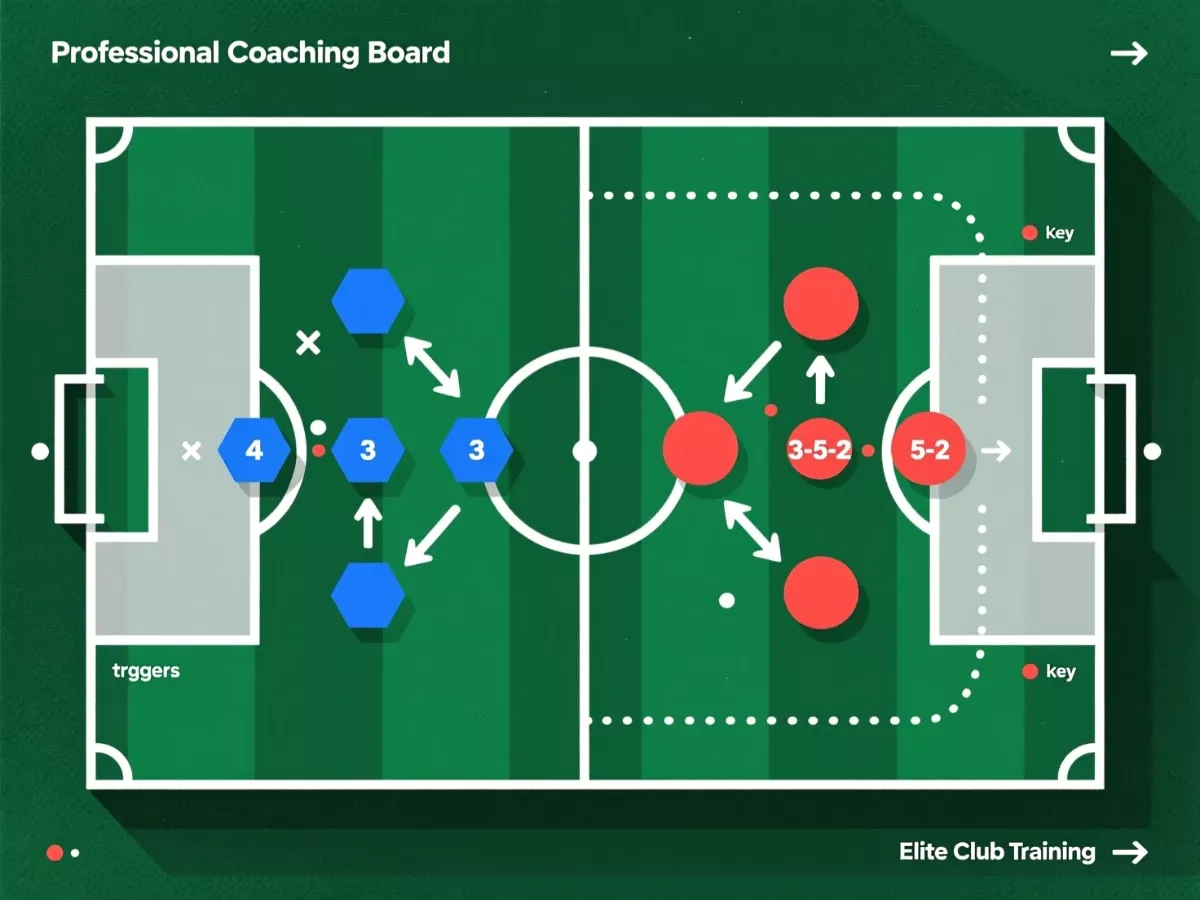
Pure statistical analysis provides foundation for football betting but needs supplementing with tactical understanding and contextual factors that quantitative data doesn’t fully capture. Developing this qualitative analysis requires football knowledge beyond what casual fans possess.
Manager and coaching tendencies persist across teams and seasons, creating predictable patterns. Certain managers consistently set their teams up to prioritize defensive solidity and controlled possession even when they have attacking talent that could play more expansively. Other managers favor attacking football and accept defensive vulnerability as the price. Understanding these tendencies helps predict tactical approaches in specific matches.
When a conservative manager faces an opponent playing open, attacking football, you can predict with reasonable confidence that the conservative manager’s team will sit deep, stay organized, and try to hit counters rather than engaging in an open game. This tactical setup might lead to under goals if the conservative team executes well, or to a home win if the attacking team can’t break down the defensive organization.
Tactical flexibility matters when assessing teams. Some managers have clear tactical identities they impose regardless of opposition or match context. Others adapt substantially based on opponent strength and tactical approach. Flexible managers are harder to predict but might find success in matches where rigid tactical approaches would struggle.
Match importance and motivation create systematic effects on outcomes that require careful interpretation. Teams fighting relegation with survival at stake play with desperation and intensity that overcomes talent disadvantages. Teams with nothing to play for in end-of-season matches mail in performances. Teams in cup finals or rivalry derbies bring emotional intensity that changes how matches play out.
The key is separating genuine motivation effects from narrative storytelling. Pundits constantly discuss motivation and pride, but professional footballers are generally motivated in every match. The question is identifying situations where motivation creates measurable differences in performance beyond the normal variation.
Clear motivation differences appear in situations like a team fighting relegation hosting a team already relegated, or a team chasing the title facing a mid-table side with nothing at stake. The motivation gap creates performance differences that affect outcomes and potentially create value if odds don’t fully account for the motivation disparity.
Squad depth and fixture congestion impact match outcomes more than casual bettors realize. Teams playing their third match in seven days with minimal squad rotation will show reduced performance levels. Teams facing crucial matches in other competitions might prioritize those over league fixtures and field weakened squads or play without full intensity.
Weather conditions affect some matches substantially while barely mattering for others. Heavy rain slows pitches and makes passing less accurate, which generally favors teams that play direct football over teams relying on technical passing combinations. Strong wind impacts passing accuracy and makes goal kicks and long balls more difficult to judge. Extreme heat affects stamina and benefits younger, fitter squads.
The key is identifying when weather actually matters versus when it’s just an interesting detail that doesn’t change expected outcomes. A light drizzle in England rarely changes anything since teams are accustomed to those conditions. A torrential downpour creates meaningful effects. Playing in extreme heat in an unusual location might impact a team more than playing in warm conditions they’re adapted to.
Betting Psychology Specific to Football
Football betting creates specific psychological traps beyond the general biases that affect all sports wagering. Understanding these football-specific issues helps avoid systematic mistakes that drain bankrolls even when your analytical approach is sound.
Supporting bias affects almost every bettor who follows football with genuine fandom rather than purely for betting purposes. Your favorite team faces an opponent. You know intellectually that betting on your team is probably not objective analysis. But you’ve watched every minute they’ve played this season. You understand their quality better than the bookmakers. This match feels different because of specific factors you’ve identified. So you bet on them anyway.
Recency bias affects football betting more than most sports because matches happen weekly and recent results feel tremendously important for predicting future performance. A team wins three matches in a row and suddenly the betting market treats them as significantly better than they were a month ago. A team loses badly and odds shift dramatically as if this reveals fundamental problems.
The reality is that short-term results include massive random variance. Three match samples tell you almost nothing about genuine quality changes. But human psychology overweights recent information, and betting markets reflect this bias. Teams on winning streaks get overvalued. Teams on losing streaks get undervalued. The sharp bettor fades these overreactions by focusing on underlying performance metrics rather than recent results.
The exception is identifying genuine momentum or slumps that reflect actual changes rather than variance. If a team’s recent results come with underlying performance changes visible in their xG and other metrics, the results might signal real improvement or decline. If results changed but underlying performance remained consistent, it’s likely just variance.
Casual bettors love betting on derby matches because they’re exciting and meaningful. This creates betting volume that might move odds in irrational directions based on emotional attachments rather than analytical assessment. The sharp bettor looks for opportunities where derby narratives have pushed odds away from fair value.
Building Your Football Betting System
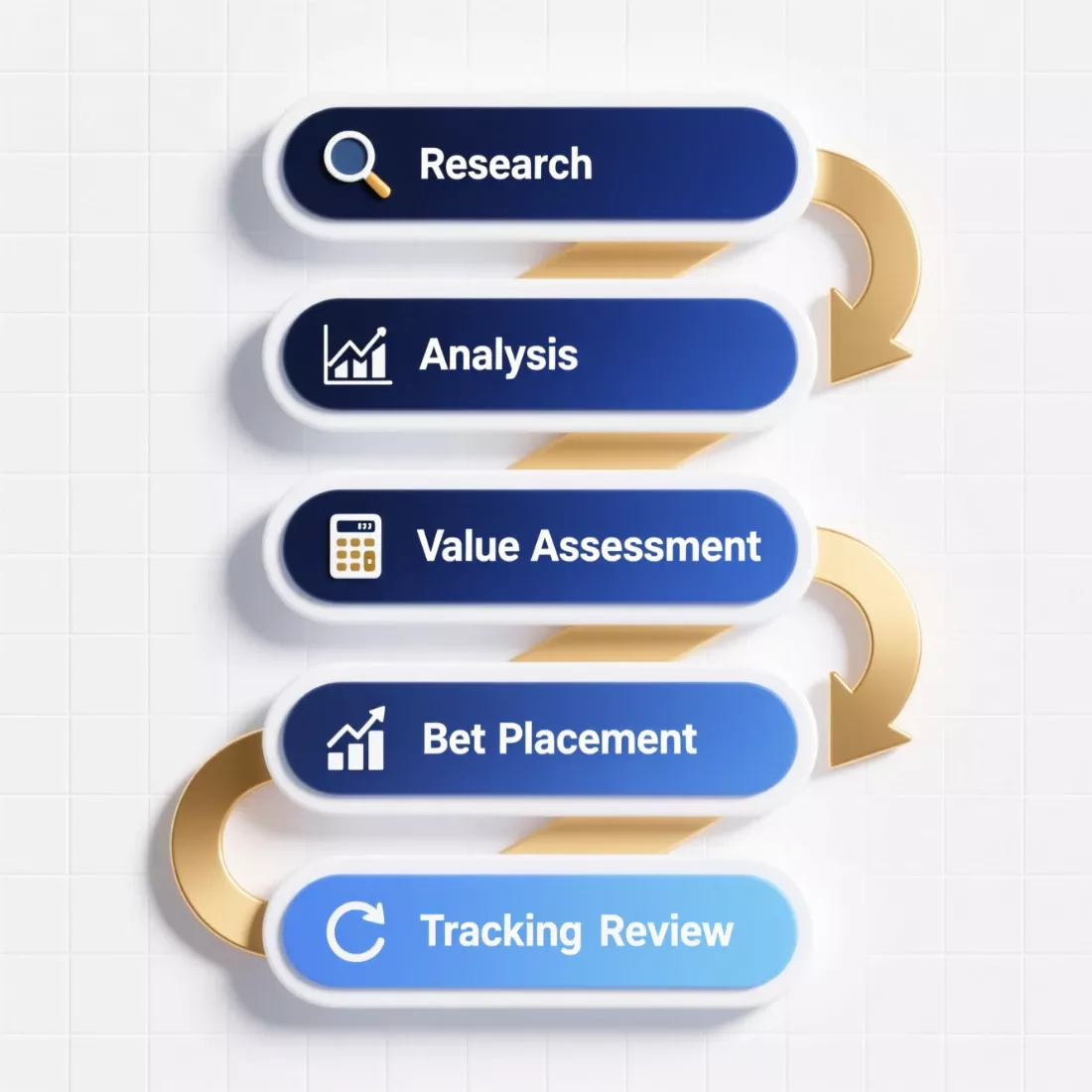
Rather than making isolated betting decisions on individual matches, developing a systematic approach creates consistency and makes it possible to evaluate what’s working versus what’s costing money. Your football betting system should cover how you select matches to analyze, how you conduct that analysis, how you determine value, and how you track results.
Match selection filters determine which matches you’ll analyze as potential betting opportunities. Trying to bet every match across all leagues spreads your attention impossibly thin and prevents developing genuine expertise. Filtering to focus on specific leagues, divisions, or match types where you can develop edge makes your analysis more valuable.
The key is that your filter should match your analytical strengths and available time. If you work full-time and can dedicate only a few hours weekly to betting analysis, focus narrowly on one league and specific match types. If you have more time and broader football knowledge, you might analyze wider sets of matches but still need filters preventing you from trying to bet everything.
Your analytical framework should be systematic enough to ensure you check all relevant factors but flexible enough to capture match-specific contexts. A checklist approach works for many bettors. You work through a standard set of questions for every match you analyze, recording answers and conclusions in a template that creates structure and consistency.
The review should also examine specific losing bets to identify mistakes versus bad luck. For consistent results, make sure to use reliable betting tips from verified sources. Did you miss important information? Did you misweigh certain factors? Were you overconfident in uncertain estimates? Learning from mistakes requires distinguishing between bets that were wrong in process versus bets that had positive expected value but lost due to variance.
This systematic approach to football betting feels less exciting than making impulsive bets on matches you’re watching or backing your favorite team in derby matches. But excitement and entertainment aren’t the goals if you’re trying to profit from betting. The systematic approach creates edges through consistency, specialization, and continuous improvement that casual betting can never match.
